
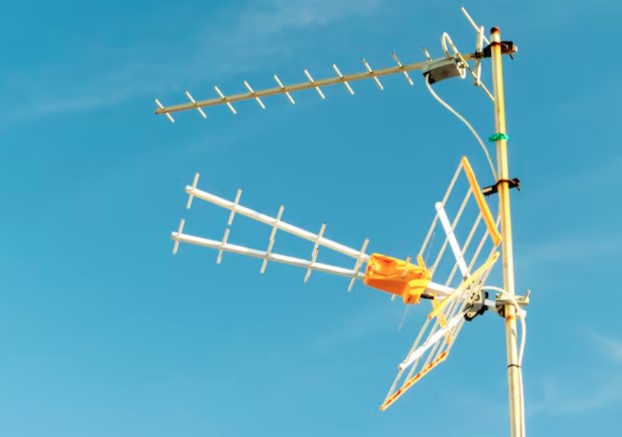
In an era dominated by wireless communication, the performance of a radiating element is the invisible backbone of modern technology.
From cellular networks and satellite links to the Internet of Things, the efficiency of signal transmission determines the success of a device in a crowded electromagnetic spectrum.
Ensuring that these components meet rigorous standards requires a methodical approach to verification. To understand the significance of this process, here are six critical factors that highlight the benefits of conducting a professional antenna test.
1. Optimization of Signal Range and Reliability
The primary goal of any wireless system is to maintain a stable connection over the required distance. Without precise measurement, an engineering team cannot verify if a design meets its intended gain and radiation pattern requirements.
By performing a comprehensive antenna test, manufacturers can identify dead zones or weak spots in the signal coverage. Optimizing these parameters ensures that the end user experiences fewer dropped calls and faster data transfer rates, regardless of their proximity to a base station.
2. Prevention of Costly Interference and Noise
As more devices occupy the same frequency bands, the risk of electromagnetic interference grows exponentially. An improperly tuned component may leak energy into unintended channels or pick up background noise that degrades performance.
Utilizing an antenna test allows developers to measure side-lobe levels and front-to-back ratios accurately. Controlling these factors is essential for maintaining the integrity of a network and ensuring that different wireless technologies can coexist without disrupting one another.
3. Ensuring Compliance with Regulatory Standards
Every wireless product must adhere to strict international and regional regulations regarding power output and spectral efficiency. Failing to meet these legal requirements can lead to expensive product recalls or the denial of market entry.
A documented antenna test serves as a verified record of compliance, proving that the device operates within the safe and legal limits of the law. This professional verification is a non-negotiable step for any company looking to launch hardware on a global scale.
4. Enhancement of Battery Life in Mobile Devices
One often overlooked benefit of high-efficiency signal transmission is its direct impact on power consumption. When a radiating element is poorly matched to its circuit, the transmitter must work harder and consume more energy to compensate for the lost signal.
By using an antenna test to achieve a low voltage standing wave ratio, engineers can minimize reflected power. This efficiency reduces the drain on the battery, allowing smartphones, wearables, and remote sensors to operate for significantly longer periods between charges.
5. Acceleration of the Research and Development Cycle
In the highly competitive world of electronics, speed to market is a major advantage. Advanced simulation tools can predict how a design might behave, but real-world measurements are the only way to confirm those predictions.
Implementing a rigorous antenna test early in the prototyping phase allows engineers to catch design flaws before they become embedded in the final product. This proactive approach reduces the number of design iterations, saving both time and financial resources during the development process.
6. Validation of Performance in Complex Environments
Modern devices rarely operate in a vacuum; they must function while surrounded by human tissue, metallic enclosures, or urban infrastructure. Factors such as the hand-grip on a phone or the mounting position on a vehicle can drastically alter radiation characteristics.
Professional testing environments, such as anechoic chambers, allow for the simulation of these real-world conditions. This level of analysis ensures that the product remains functional and reliable in the specific environments where it will be used by consumers.